


Accessible graphic design does not mean making every design look plain or overly safe. It means making deliberate choices so that more people can read, understand, and use what you create. In most cases, the fundamentals are already familiar to good designers: hierarchy, spacing, contrast, readability, and consistency. Accessibility simply asks you to apply those fundamentals with more intention.
One of the most important basics is contrast. If text does not stand out clearly from the background, the design fails before the message is even considered. Brands often weaken their communication with soft color combinations that look refined in isolation but become hard to read in practice. Strong contrast makes content more usable on screens, in bright light, and across different devices.

Typography matters just as much. Decorative type can be part of a brand system, but body text, callouts, and important messages should remain easy to scan. This includes font size, line spacing, and how text behaves on mobile layouts. When text feels crowded or compressed, comprehension drops quickly.
Hierarchy is another core accessibility tool. A clear layout tells the viewer what matters first, what supports it, and what action to take next. This is especially important in social graphics, promotional materials, and digital campaigns where attention is limited. When everything is emphasized equally, nothing stands out.
Accessible design is often
SignLens Media
just good design made more
intentional.

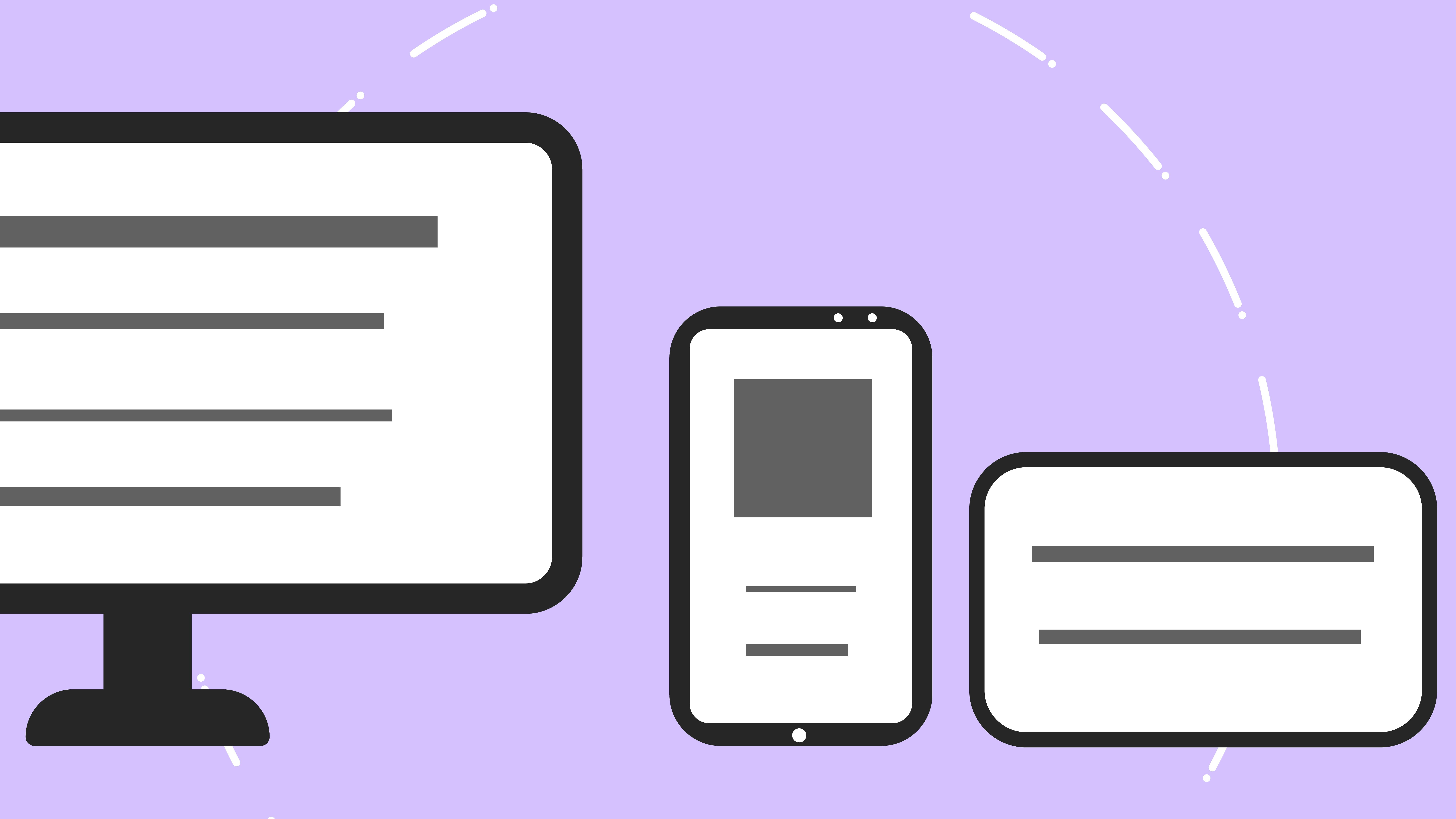
Spacing, alignment, and consistency also play a huge role. Clean spacing gives the eye room to process information. Consistent styles make a brand feel easier to follow. These decisions are not just aesthetic. They reduce friction in how people interact with the content.
For brands, the takeaway is practical: accessible design supports stronger communication, more inclusive reach, and a more polished experience overall. It should not be treated as a specialist layer added after the design is done. It should be part of the design standard itself.
continue the conversation