

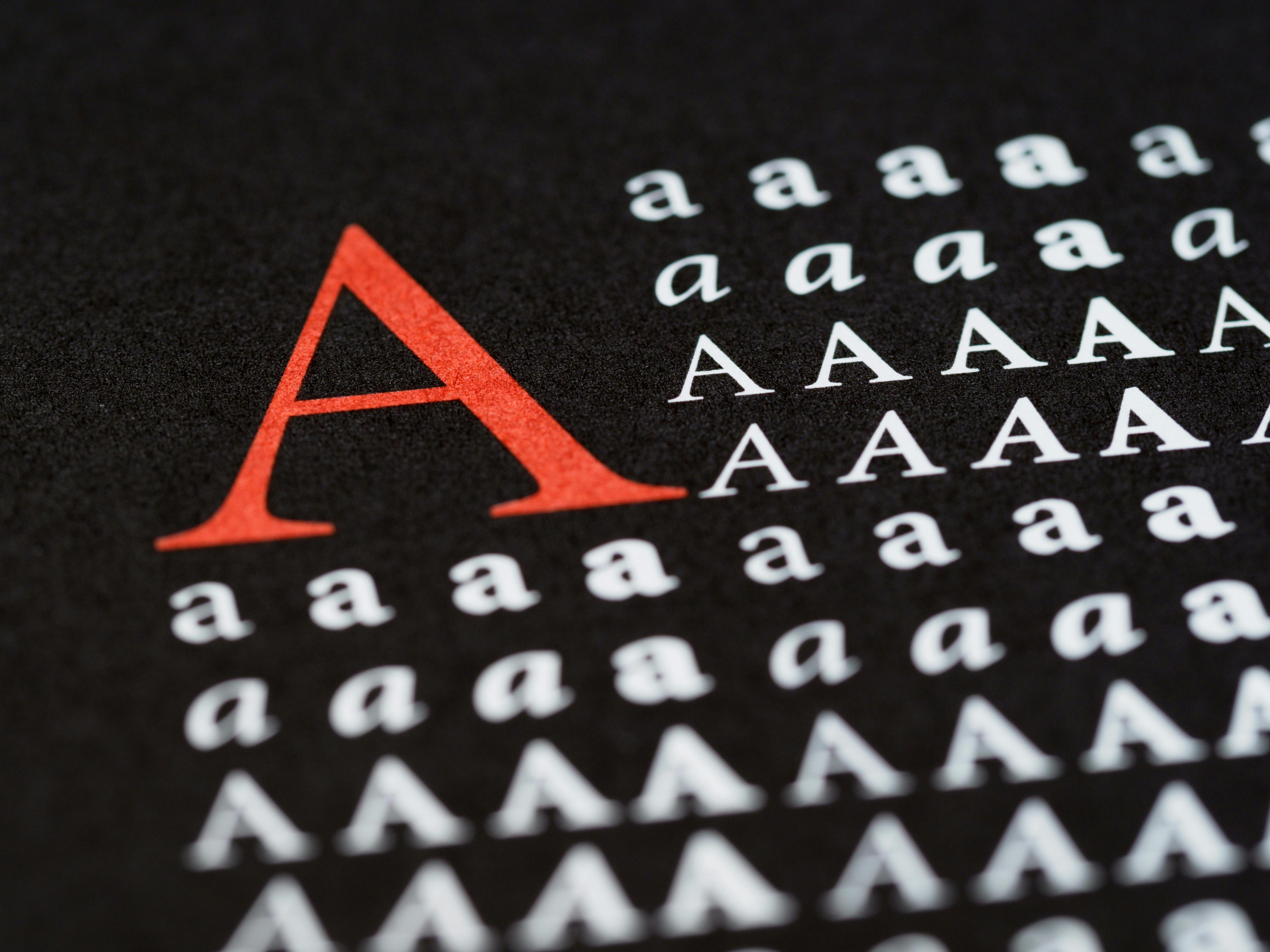
Accessibility is often treated like a final technical check, something added at the end of a project once the branding, design, and content are already complete. The problem with that approach is simple: by the time you are fixing accessibility at the end, the most important creative decisions have already been made. That means you are correcting problems instead of building clarity into the work from the start.
When accessibility is part of brand strategy from day one, it improves more than compliance. It strengthens communication. Your message becomes easier to understand, your visuals become easier to navigate, and your content becomes more usable across more contexts. That does not make the work less creative. It makes it more effective.
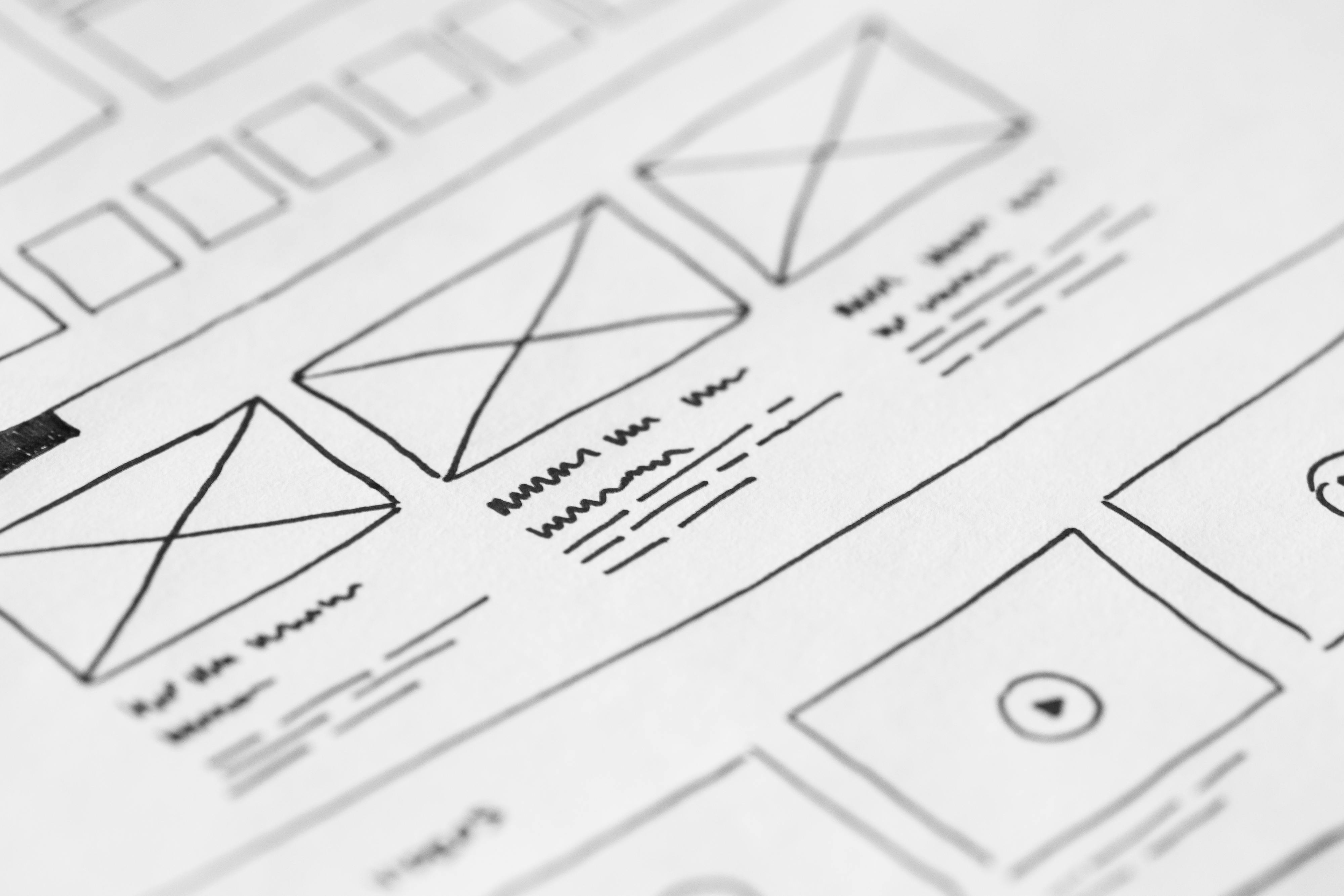
A strong brand strategy already asks key questions: Who is the audience? What do they need to understand quickly? Where will the message appear? What tone builds trust? Accessibility belongs inside those same questions. If a campaign will live on social media, captions matter. If a website carries essential information, contrast and readability matter. If a brand claims to be people-first, the experience should reflect that in practical ways.
Clarity is one of the biggest benefits. Many brands struggle not because their message is weak, but because their communication is crowded, vague, or visually inconsistent. Accessible strategy helps sharpen what is essential. It encourages teams to simplify language, structure content more clearly, and design with hierarchy in mind. The result is often a better brand experience for everyone, not just a specific audience segment.
Trust is another major outcome. People notice when a brand feels considerate. They notice when a video is captioned properly, when on-screen text is readable, when information is easy to scan, and when communication does not assume a single kind of user. Those details signal care. Over time, that care becomes part of the brand itself.

Accessibility is not a finishing touch.
SignLens Media
It is part of how a brand becomes
clear, credible, and ready to connect.
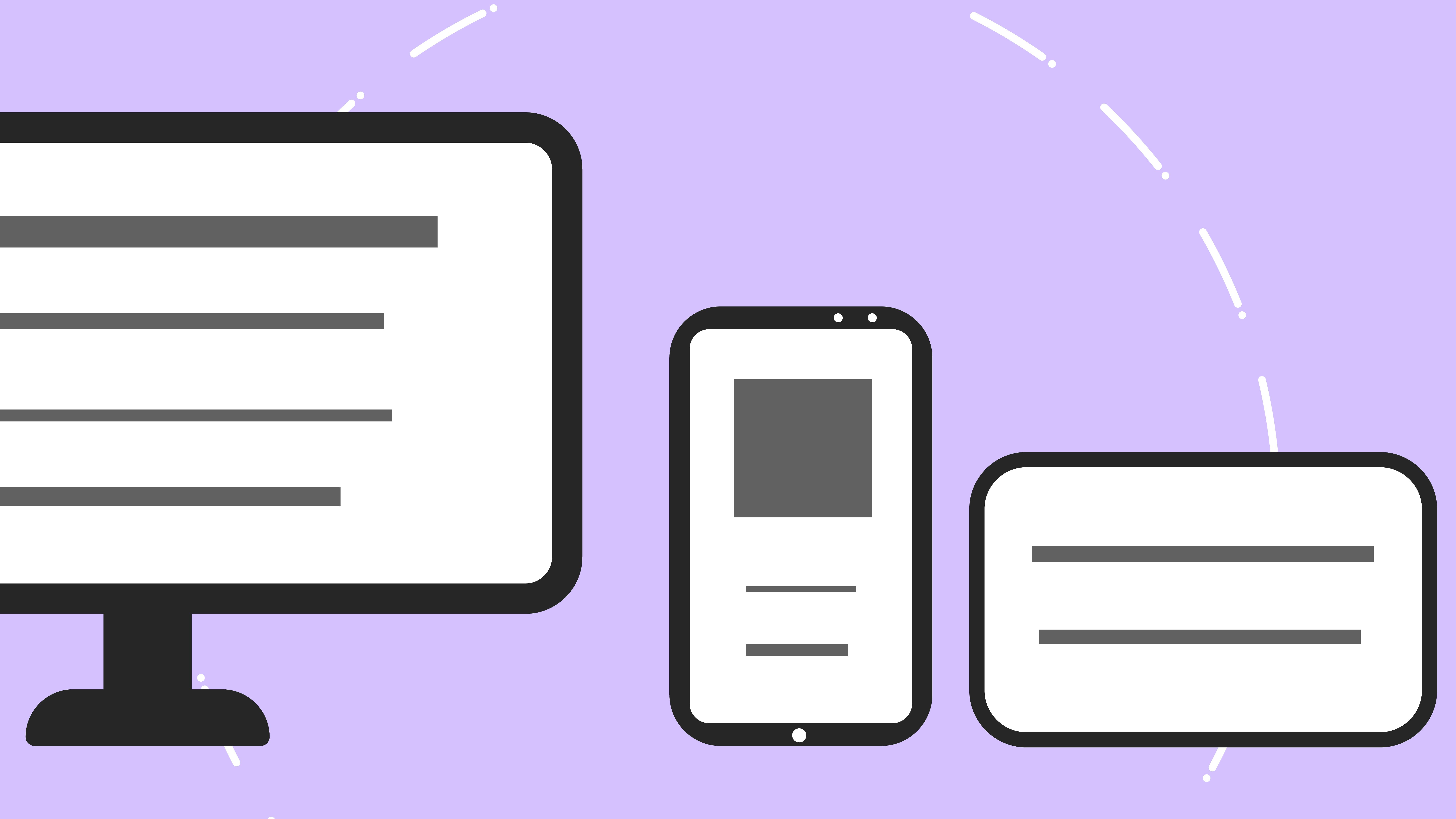
For creative agencies and in-house teams, this means accessibility should shape planning, not just production. It should influence copywriting, typography, templates, motion graphics, export decisions, and platform choices. When it is present that early, accessibility stops feeling like extra work and starts working like a better creative standard.
For brands that want to communicate with more confidence and reach more people, the smartest move is to stop separating accessibility from strategy. The strongest brands are not simply attractive. They are understandable, usable, and intentional from the very beginning.
continue the conversation